Pretoria Centre of the Astronomical Society of Southern Africa
Light Pollution—the dark side of light
Light pollution is a widely accepted term for adverse effects of artificial light on nature and humans. Nearly all living organisms, including human beings, have evolved under a natural rhythm of day and night.
The artificial disturbance of the natural day/night cycle may, as a result, have serious psycho-physiological and even medical consequences for humans, along with ecological and evolutionary implications for animals, plants, and even entire ecosystems.
Light pollution is caused by improper lighting installations. The most obvious effects are:
- Light trespass – Light shining where it is not needed.
- Glare - excessive contrast between bright and dark areas in the field of view
All these contribute to the sky glow that can be seen over populated areas, and destroys the night-time ambience. Contrary to popular believe, light does not deter crime or improve security. Improperly implemented, it can do more harm than good.

Lighting consumes about a quarter of all energy produced worldwide. Light that shines where, and when, it is not needed relates directly to wasted energy.
Significant savings can be achieved with responsible lighting practices. The key point is that a low wattage lamp in a well-designed, properly installed, light fixture can achieve the same effect as a higher wattage lamp in a badly-designed and poorly installed fixture.
Light pollution is the only pollution that cost more to perpetuate than to eliminate.
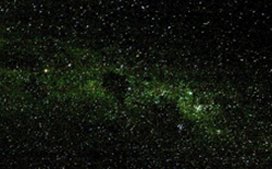
Did you know that more than 80% of all people have never seen the glow of the Milky Way with their own eyes? They literally do not know what they are missing.
Light pollution is not only an astronomical problem. It affects all aspects of our environment and lives in ways that you cannot even begin to imagine. ASSA is actively involved in the fight against light pollution and will advise and educate you to save our night sky and the environment. To learn more, please contact us.
Johan Smit
Dark Sky Director
Astronomical Society of Southern Africa
Comments and suggestions are welcome. Contact:
Johan Smit, cellphone: 0728062939, e-mail